
Bears
Tracking Bears in the Canadian Wilderness
How to read sign, anticipate movement corridors, and position yourself for bear photography without closing the distance.
Read moreDocumented techniques for tracking and photographing bears, moose, birds of prey, and migratory waterfowl — with attention to gear, light conditions, and responsible fieldwork.

Practical documentation from photographers working across British Columbia, Alberta, Ontario, and the boreal north.
How to read sign, anticipate movement corridors, and position yourself for bear photography without closing the distance.
Read more
Lens choice, shutter speed settings, and location scouting for large ungulates and raptors in mixed boreal terrain.
Read more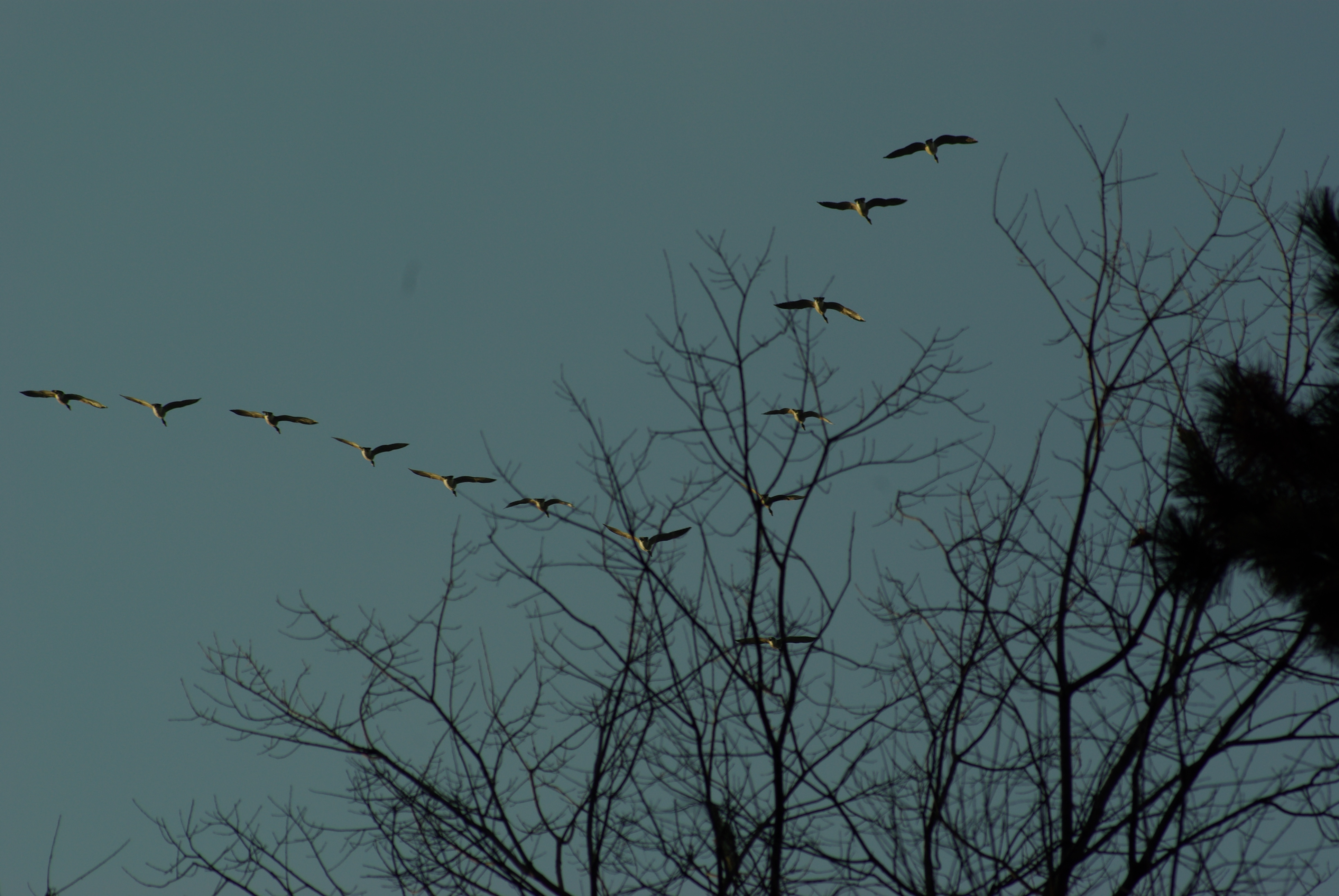
Seasonal timing, wetland access, and the camera settings that hold sharp focus on birds in active flight.
Read moreUnderstanding bear behaviour — not just carrying bear spray — is the baseline for any photographer heading into the interior ranges of British Columbia or Alberta. The first section of a shoot begins long before arrival at the trailhead.
Read the guideSuper-telephoto lenses (500mm–600mm) are the standard in open terrain. In forested corridors a 300mm f/2.8 is often more practical due to weight and manoeuvrability.
Golden hour gives warm tones but low contrast in dense canopy. Overcast midday light often produces cleaner fur detail on brown bears and moose.
Parks Canada recommends a minimum 100m from bears and wolves, 30m from other wildlife. Telephoto reach replaces proximity.
Canada sits at the convergence of the Atlantic, Mississippi, Central, and Pacific flyways. The timing and geography of these routes defines where to be — and when — for waterfowl photography.
Read the waterfowl guidePhotography that requires stressing an animal for a frame is not fieldwork — it is interference. These articles address positioning, patience, and the decisions that keep subjects behaving naturally.
Off-trail movement in denning areas can trigger defensive behaviour. Sticking to established corridors reduces encounters to predictable, manageable situations.
A moose with flattened ears or a bear doing a head-swing is communicating. Recognising these signals before framing a shot prevents unnecessary escalation.
Osprey and eagle nests are legally protected in Canada. The silent mirror-up mode on modern cameras matters less than approach behaviour and time at the site.
Seasonal notes on access, wildlife activity windows, and gear are added throughout the year.
Send a note